
A Letter from Dho-Tarap, Nepal – Living Through Climate Change
Climate change and global warming have become some of the most urgent challenges facing our planet. They are disrupting ecosystems, intensifying natural disasters, and threatening biodiversity worldwide. As temperatures rise, ecosystems grow increasingly unstable, natural disasters become more frequent and severe, and both crop production and public health are put at risk.
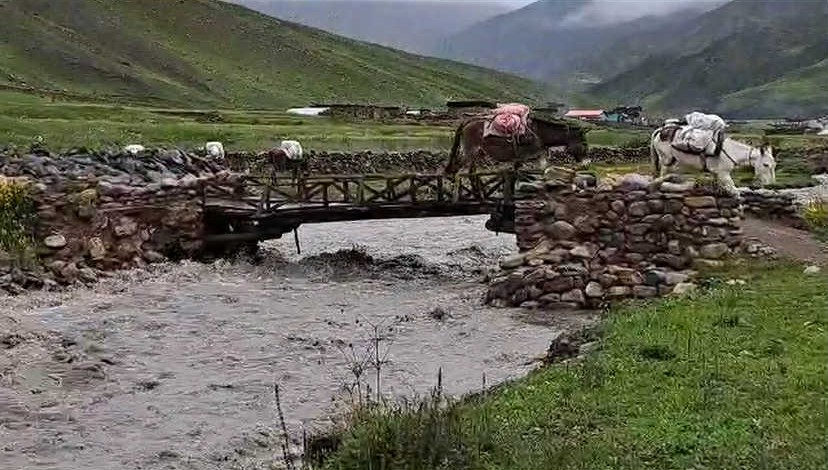
 For us, the people of Dho-Tarap, these impacts are not distant warnings—they are part of our daily lives. We have already witnessed dramatic shifts in weather patterns, rising temperatures, and a significant decline in agricultural productivity. Once rich in natural beauty and resources, Dho-Tarap is now frequently struck by floods and landslides.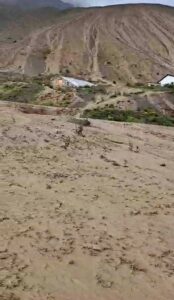
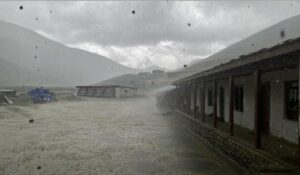
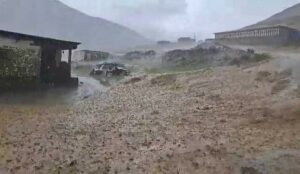
In recent years, the situation has worsened. Last year, severe flooding swept through our school and village—an event unlike anything our community had seen before. The landslides that followed destroyed grazing areas, classrooms, canals, and walking paths. Farmlands were submerged, leading to heavy crop losses and setbacks in our local economy. This year, landslides returned, leaving us fearful of what the next few years may bring if climate trends continue.
Climate change has also had a serious impact on yarshagumba, one of the most important sources of income for our community. Yarshagumba (also known as “caterpillar fungus”) is a rare medicinal fungus that grows only in the high Himalayas. It forms when a parasitic fungus infects a caterpillar underground, creating a unique plant-like structure valued for traditional medicine and sold at very high prices. Because of its economic value, many families in Dho-Tarap depend on harvesting yarshagumba to support their livelihoods.
However, the number of yarshagumba has been decreasing rapidly. Deforestation of small herbs, pollution in pasture areas, and changing weather patterns have all contributed to this decline. In the past, we could rely on heavy snowfall in winter and steady rainfall during the yarshagumba season to support its growth. Now, the land is dry, rainfall is unpredictable, and the conditions needed for yarshagumba to thrive are disappearing.
Human activity has added to the problem. During the harvesting season, digging and improper land management damage the soil. Firewood collection leads to the loss of small herbs, and plastic waste is often left behind in the high pastures. All of this harms the environment further and accelerates the decline of yarshagumba—our community’s main economic lifeline.
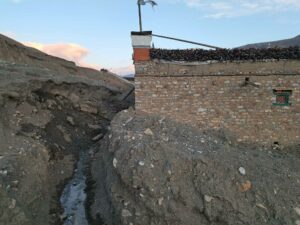 Weather patterns in Dho-Tarap have changed dramatically. Where winter once brought heavy snowfall and summer brought reliable rain, we now experience snow in unexpected seasons and long dry periods when water is desperately needed. These changes have dried up crops, water sources, and grazing lands, creating serious challenges for everyone who depends on the land for survival.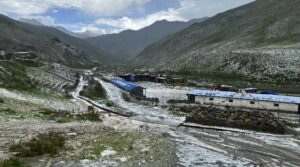
We, the people of Dho-Tarap, are facing these environmental crises every day. These changes are a clear reminder of how urgently the world must respond to climate change. We call on governments, institutions, communities, and individuals everywhere to take meaningful action. Protecting vulnerable regions like ours—and safeguarding the planet as a whole—requires collective effort, sustainable solutions, and a commitment to reducing the impacts of climate change before they become irreversible.
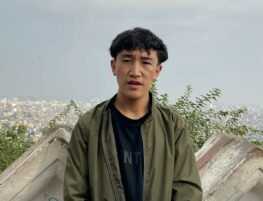
Post by: Tsering Dharkey Gurung
St. Lawrence college
Former student of Crystal Mountain school (Dho-Tarap)